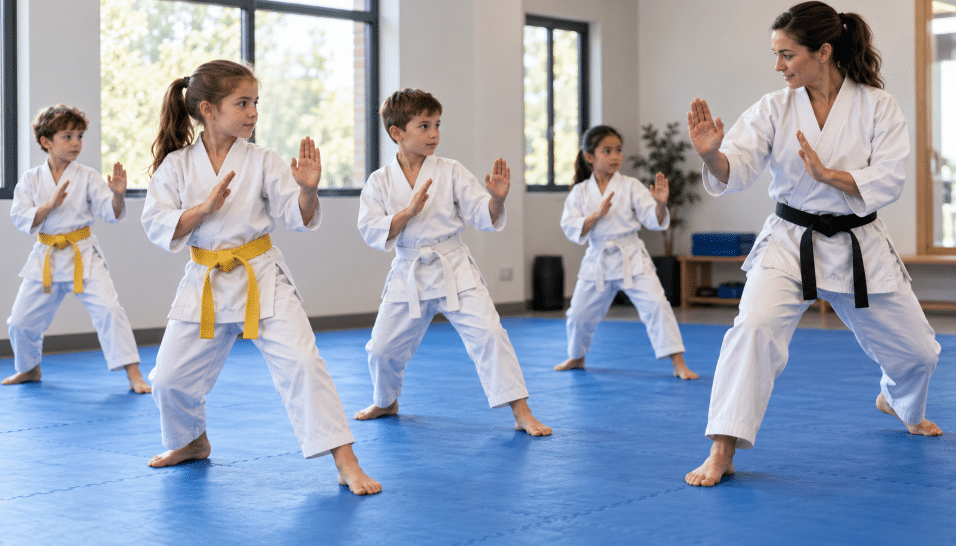
When Israr first stepped onto the dojo floor at just eight years old, he had no idea how much that decision would shape his future.
Years later, he is currently pursuing his third Dan while holding a second Dan Black Belt at LBKI Karate. Israr now instructs younger pupils in addition to his own training, giving them the same self-assurance and self-control that martial arts Auckland offered him. He studies engineering during the day and shares his expertise with the next generation of students in the evenings.
His story isn’t unique.
LBKI has watched many students, including Zaki, Saadia, Rayhaan, James, Tarik and many others, grow from nervous beginners into confident leaders and instructors. What started as a martial arts class became a journey of personal growth, resilience and lifelong learning.
Israr’s journey demonstrates that self-defence training is about far more than learning techniques. Over time, students develop confidence, leadership, discipline and resilience that carry into every area of life.
For families considering training, these benefits can be an important part of the decision. They’re not simply looking for a new hobby. They’re looking for an activity that helps children and adults become more confident, aware and prepared for everyday life.

Why More Auckland Families Are Choosing Self-Defence Classes
Life today looks very different from what it did twenty years ago. Children spend more time in front of screens. Teenagers face increasing social pressures. Adults juggle busy careers, family responsibilities and personal safety concerns.
Whether you’re a parent wanting your child to become more confident or an adult looking to feel safer, Self Defence Classes Auckland offer far more than physical training.
Across Auckland, including West Auckland and New Windsor, families are choosing martial arts because they help students develop practical life skills, including:
- Confidence in unfamiliar situations
- Greater awareness of surroundings
- Respect for themselves and others
- Better decision-making under pressure
- Improved physical and mental well-being
These are skills that support everyday life, not just training sessions.
Self-Defence Starts with Awareness, Not Fighting
The idea that self-defence requires fighting skills is one of the most prevalent misconceptions. Effective self-defence actually begins far earlier than any physical ability.
The first lesson is awareness. Sometimes it is far more helpful to understand how to pay attention to what is going on around you, recognise situations that don’t feel right, trust your instincts, and make informed decisions than it is to know how to throw a punch. Students eventually learn how to:
- Stay aware in public places.
- Recognise potential risks early.
- Avoid unnecessary confrontation
- Remain calm during stressful situations.
- Make safe decisions with confidence.
The goal is always to avoid conflict whenever possible. Good self-defence isn’t about proving you’re stronger than someone else; it’s about protecting yourself through awareness, confidence and good judgement.
Confidence Changes the Way You Approach Life
Confidence isn’t something you’re born with. It’s built through experience. Every time students learn a new skill, overcome a challenge or achieve a goal, they develop greater belief in themselves.
As students become more confident in training, some begin to feel more comfortable in other situations too. Children become more willing to answer questions in class. Teenagers become more comfortable meeting new people. Adults often feel more prepared to handle difficult conversations at work or navigate unfamiliar situations.
Many Auckland parents enrol their children in self-defence programmes because they see confidence as one of the greatest gifts martial arts can provide.
Learning to Set Healthy Boundaries
An important part of self-defence is understanding personal boundaries. Students learn that respecting others also means respecting themselves. Whether it’s saying “no” confidently, recognising inappropriate behaviour, or knowing when to seek help from a trusted adult, these lessons stay valuable throughout life.
Rather than encouraging aggression, martial arts teaches students to communicate confidently while avoiding unnecessary conflict whenever possible. This balanced approach is one reason many parents choose structured Children’s Self Defence Classes Auckland over activities that focus purely on physical techniques.
Why Karate Is More Than Self-Defence
In addition to teaching useful self-defence, karate builds traits that benefit other parts of life. Students progressively develop all the life skills. These skills help children succeed at school, support adults in the workplace and strengthen confidence in everyday situations.
Families looking for martial arts in Auckland often discover the biggest benefits aren’t physical at all; they’re personal.
Helping Children Grow Into Confident Adults
Every parent wants their child to feel capable. Not just on the sports field, but in classrooms, friendships and future workplaces.
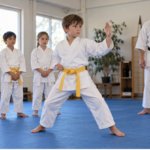
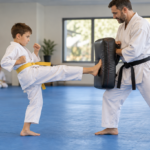
Martial arts in Auckland provides children with regular opportunities to overcome challenges in a supportive environment. They learn to:
- Follow instructions
- Work towards achievable goals.
- Respect others
- Stay calm under pressure.
- Believe in their own abilities.
These experiences help children become more resilient as they grow. Some parents who enrol their children in Karate classes in Auckland notice changes in their child’s confidence or willingness to try new things as training continues.
Learning to Avoid Conflict Is a Strength
Movies often portray self-defence as fighting. Real life is very different. One of the first lessons students learn is that avoiding conflict is almost always the safest option. Good instructors encourage students to stay calm, walk away when possible, communicate verbally, maintain safe distances, and seek help when necessary.
Knowing when not to fight demonstrates maturity, confidence and self-control. These lessons are just as valuable for adults as they are for children.
Self-Defence Also Improves Physical Wellbeing
While confidence and awareness come first, the physical benefits of martial arts are impossible to ignore. Every class provides a full-body workout that combines movement, coordination and cardiovascular exercise. Regular training can help improve Strength, Flexibility, Balance and Coordination.
Martial arts keep the body and mind active, unlike monotonous gym activities. Exercise is fun while building useful skills because each class offers fresh challenges.
A Clearer Mind Under Pressure
Self-defence isn’t passive. It requires intense focus, concentration, and active listening to follow instructions precisely, notice nonverbal cues, learn new techniques, and execute them with precision. Over time, it enhances your ability to concentrate, process complex information efficiently, and stay mentally alert.
In a world where attention spans are shrinking, and distractions abound, this mental discipline may help you navigate high-pressure situations with a clear head. Many students find they become calmer during stressful situations because they’re used to thinking before reacting. This mental discipline often carries into work, school and everyday life.
Building Friendships Along the Way
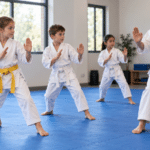
One often-overlooked benefit is community. Students train alongside people of different ages, backgrounds and experience levels.
They encourage one another, celebrate progress together and learn the value of teamwork and respect. For children, this creates opportunities to build friendships in a positive environment.
For adults, it’s a chance to stay active while becoming part of a supportive local community. Across West Auckland and New Windsor, martial arts has helped bring families together both inside and outside the dojo.

Why Choose LBKI?
Choosing the right martial arts school is about more than location. It’s about finding experienced instructors who genuinely care about helping every student reach their potential.
At LBKI, students aren’t expected to become experts overnight. They are encouraged to progress at their own pace while developing confidence, discipline and resilience in a welcoming environment.
Whether you’re looking for beginner classes, family-friendly training or long-term personal development, every student starts with the same first step: walking through the dojo doors.
Take the First Step Today
Every black belt was once a beginner. For example, Israr’s journey began with a single class.
Today, he teaches others, studies engineering, and continues working towards new goals, proof that martial arts develops much more than physical ability.
Whether you’re interested in helping your child become more confident, or you’re ready to improve your own awareness, fitness and personal safety, Self Defence Classes in Auckland
provide skills that last a lifetime. You don’t need experience; you don’t need to be exceptionally fit. Just take a simple step by enrolling in your first martial arts class.
Frequently Asked Questions
Are self-defence classes suitable for beginners?
Absolutely. Most students begin with no previous experience. Self-defence classes in Auckland are designed to help beginners learn gradually in a supportive environment.
At what age can children start self-defence training?
Many children can begin around four or five years old, but we at LBKI believe six years is appropriate.
Do I need to be fit before joining?
No. Martial arts help improve fitness over time. Beginners train at their own pace while gradually building strength, flexibility and endurance.
Is karate effective for self-defence?
Yes. Karate teaches practical self-defence skills while placing a strong emphasis on awareness, confidence, conflict avoidance and making safe decisions.
How often should I train?
Most beginners attend one or two classes each week. Consistent practice allows students to build confidence and skills without feeling overwhelmed.